Stay tuned to our new posts and updates!
Click to join us on WhatsApp


A song that flows beyond the boundaries of geography into the realms of faith, devotion and eternity. Ganga aaye kahaan se from Kabuliwala brings together Gulzar’s evocative poetry, Salil Chowdhury’s folk-inspired composition and Hemant Kumar’s timeless voice. Shirish Waghmode explores the song’s deeper reflections on humanity and the eternal mystery of existence.
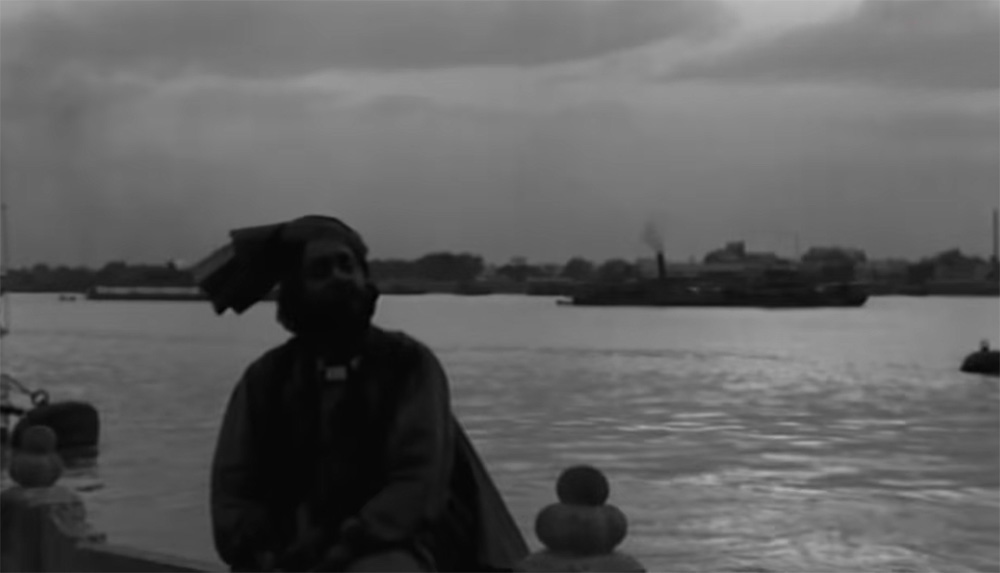
If you’ve sat by the Ganga as the dawn breaks at Haridwar, this is the question you ask the rising Sun. He’s been around for a long, long time (thousands of years), so you’d think he would know. In the pitch darkness of the cold night, you ask the same question to the Moon, as he is the only one who can see the darkening riverbed quietly move on.
The yatris who move up the mountains look down at the rippling water and ask the same question to the trees and rocks, witnesses to the passing years. The hathayogis and the sadhus, who come down from their caves once every 12 years, look at the overflowing, unchanging rhythm of this Jeevandayini and ask the same question:
Ganga aaye kahaan se,
Ganga jaaye kahaan re
When all rational answers lie covered in a haze of uncertainty, the poet steps in. Isn’t it rightly said, ‘Je na dekhe Ravi, te dekhe Kavi’. With a handful of devotion, a pinch of history, a wee bit of myth and a whole lot of divinity, the poet tries to answer the question as he watches:
Lehraaye paani mein jaise dhoop-chhaon re
He realises that this is the timeless game of light and shadow that has seen centuries pass by in the steady flow of the Ganga!
Raat kaari din ujiyara mil gaye dono saaye
Saanjh ne dekho rang-roop ke kaise bhed mitaaye re
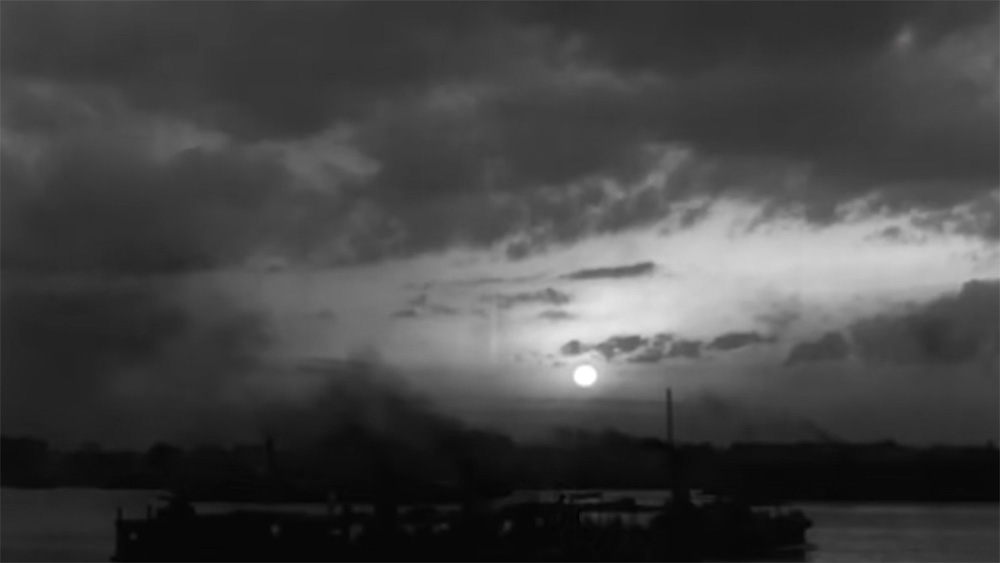
The day is proud of the light it casts, the illumination that bathes the universe and allows it to bask in the sunshine. The night lies waiting in the shadows, confident that its turn will come! And come it does. As the setting sun marches westward, the shadows lengthen. In the dusk, they exchange pleasantries – and places. The bright and luminous day becomes the dark and black night. The stark differences merge, the day gives up its existence, and the night takes over. The eternal story, retold again and again for centuries.
Kaanch koi maati koi rang-birange pyaale
Pyaas lage to ek barabar, jismein paani daale
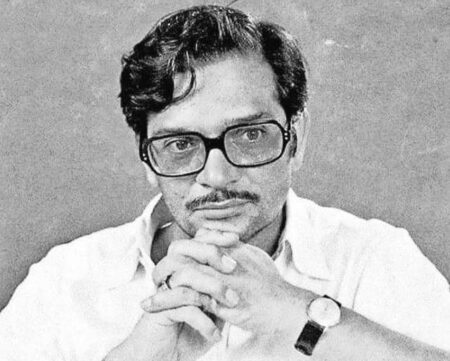
Gulzar
Gulzar comes up with an outstanding allegory here. The glasses, whether made of plain mud or precious porcelain, refer to the various people who cross our paths in life, the people who populate the spaces of our existence. From the pauper to the prince, from the mendicant to the millionaire, from the familiar to the stranger, they all touch us in some way or another.
But the one who pours you a glass of water when you are thirsty is the one who matters. The rest, who shy away in the hour of need, whatever their station in society or proximity to you, don’t matter. The do-gooders and benefactors don’t always come exquisitely attired; they could come in tatters!
Naam koi boli koi laakho roop aur chehre
Khol ke dekho pyaar ki aankhein, sab tere sab mere re.
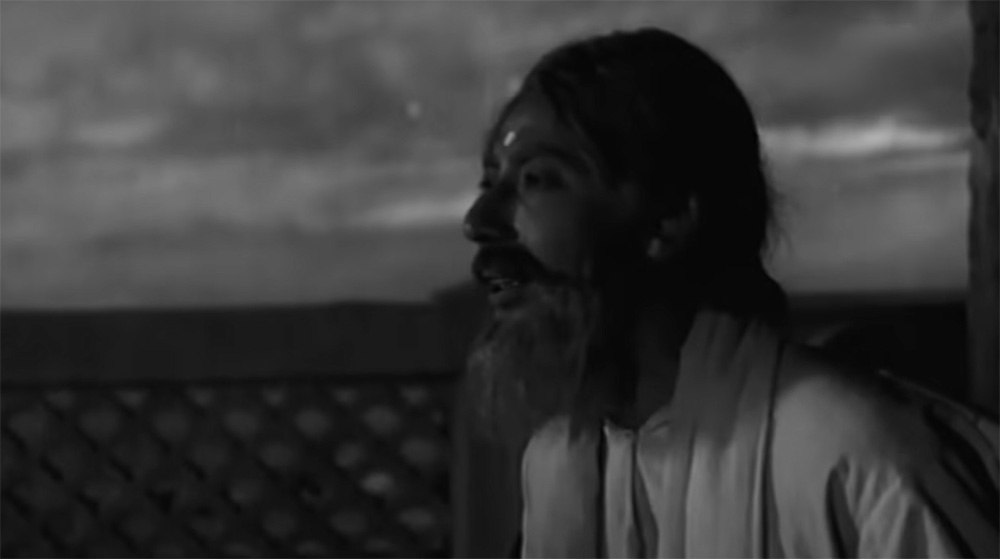
The assemblage of devotees who throng the banks of the Ganga is a true microcosm of India. A mind-boggling array of names, dialects and beauteous visages. It is indeed a congregation of strangers, an assembly of unknowns. Everyone who crosses your path is someone you have never met, nor are you likely to meet again.
The crush of humanity, the press of alien bodies, is daunting, frightening to fraternise with. But open the eyes of piety, and you realise they are all yours. Your brethren, your fellow devotees, believers united in the urge to pay homage to the holiest of holy rivers, the Ganga. You are amongst your own! Your very own! Like you, they are the children of Ganga who have come from near and far and flocked around their ‘Ma Ganga’, ‘Ganga Maiyya’, to seek her blessings, just as their forefathers have done for centuries. You get a feel of something more celestial, more immortal!
People often confuse simple with simplistic. Simplicity is the glory of expression. And that’s what is reflected in Salil Chowdhury’s music – a delectable use of the Bengali folk Bhatiyali. The ektara, which comes in the intro and the interludes, is in consonance with the sound of the unidimensional rumble of flowing water. And the choice of Hemant Kumar to sing this song of timelessness is, as they say, “Complexity is impressive, but simplicity is Genius”.
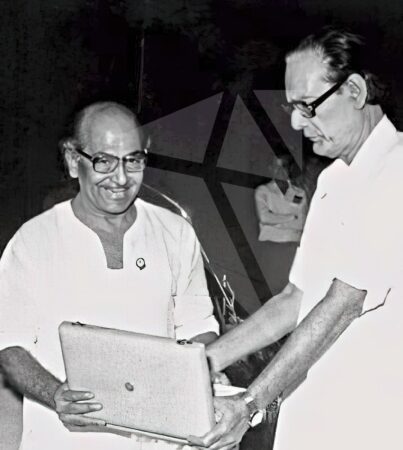
Hemant Kumar and Salil Chowdhury
I have always felt that Hemant Kumar’s voice lends itself to the elements. It has the resonance of space, the flow of water, the warmth of fire, the gravity of the earth and the breath of the wind!
This call – Ganga aaye kahaan se – is not to be measured in terms of geographical distances. It is a call to the spaces beyond, originating from the wonderment of mortals to the Supreme Maker of the universe! It is a question that is not really expected to be answered. Because some questions, by remaining unanswered, give us a reason to live. The mystique and mystery of devotion spring from the pursuit of the unknown. And that is the bedrock of bhakti, in every corner of the world.
Listening to Ganga aaye kahaan se is not just an enchanting but an elevating experience. It is not a chant whose raucous repetition throws people into a frenzy. It is more like a gentle spring that slowly seeps into an arid soul. And by the time it ends, you can feel the green shoots of surrender to the Unknown slowly sprouting across the very expanse of your existence.
Ganga aaye kahaan se (Kabuliwala, 1961) Salil Chowdhury / Gulzar / Hemant Kumar


Got a poem, story, musing or painting you would like to share with the world? Send your creative writings and expressions to editor@learningandcreativity.com
Learning and Creativity publishes articles, stories, poems, reviews, and other literary works, artworks, photographs and other publishable material contributed by writers, artists and photographers as a friendly gesture. The opinions shared by the writers, artists and photographers are their personal opinion and does not reflect the opinion of Learning and Creativity- emagazine. Images used in the posts (not including those from Learning and Creativity's own photo archives) have been procured from the contributors themselves, public forums, social networking sites, publicity releases, free photo sites such as Pixabay, Pexels, Morguefile, etc and Wikimedia Creative Commons. Please inform us if any of the images used here are copyrighted, we will pull those images down.