Stay tuned to our new posts and updates! Click to join us on WhatsApp  & Telegram
  Channel
& Telegram  Channel & Telegram Channel




Shoma A Chatterji traces the life and vision of B N Sircar, founder of New Theatres, whose pioneering studio shaped Indian cinema through technical innovation, literary storytelling, and legendary filmmakers.
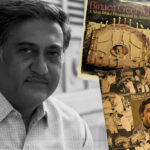
No one can separate B N Sircar (1901-1980) from New Theatres. Sircar identified with the best in Indian cinema from its ‘silent’ days right through the forties and fifties. B N Sircar or Birendra Nath Sircar was the second son of Sir N N Sircar, Advocate General of undivided Bengal and a member of the Viceroy’s council. After his degree in civil engineering from London University, Sircar returned with dreams of setting up his own business in civil construction.

B N Sircar
The story goes that at one time, his love for theatre nurtured in him the desire to become a stage manager. But he had to give up his dream as in those days, such professions were considered to be below status in educated families. Interestingly, he is responsible for changing the mindsets of the masses about films as a career. But something happened to change all this.
One day, he happened to chance upon a long queue outside Crown Theatre in the southern parts of Calcutta, which later had a different name. Intrigued by the long queue, he stopped to ask what these people were waiting for. They were waiting to buy tickets for the film being screened inside the theatre, he was told. He was amazed to discover that people were willing to shell out money without seeing the quality of the product or even knowing how useful it would be for them. That sowed the seeds of getting into film production.
Sircar then decided to build a cinema for himself. He named Chitra which later transformed to Mitra after its new owners who pulled the shutters forever during the pandemic. The story goes that Netaji Subhas Chandra Bose came personally to inaugurate the theatre on 30 December 1930. Sircar’s father was very angry and underlined the news of the inauguration with a red inked pen so that later B N Sircar would understand that his father knew about his new profession i.e. his activities as a film producer. But soon, his father backed him up by giving his son his blessings when he decided to found the New Theatres Studio to produce films. His father kept visiting the studio now and then to see what was happening as he was a complete stranger to studios and to filmmaking. The younger Sircar went on to build another theatre called New Cinema exclusively marked for the release of Hindi films. This theatre was inaugurated by none other than the great Sarat Chandra Chattopadhyay.
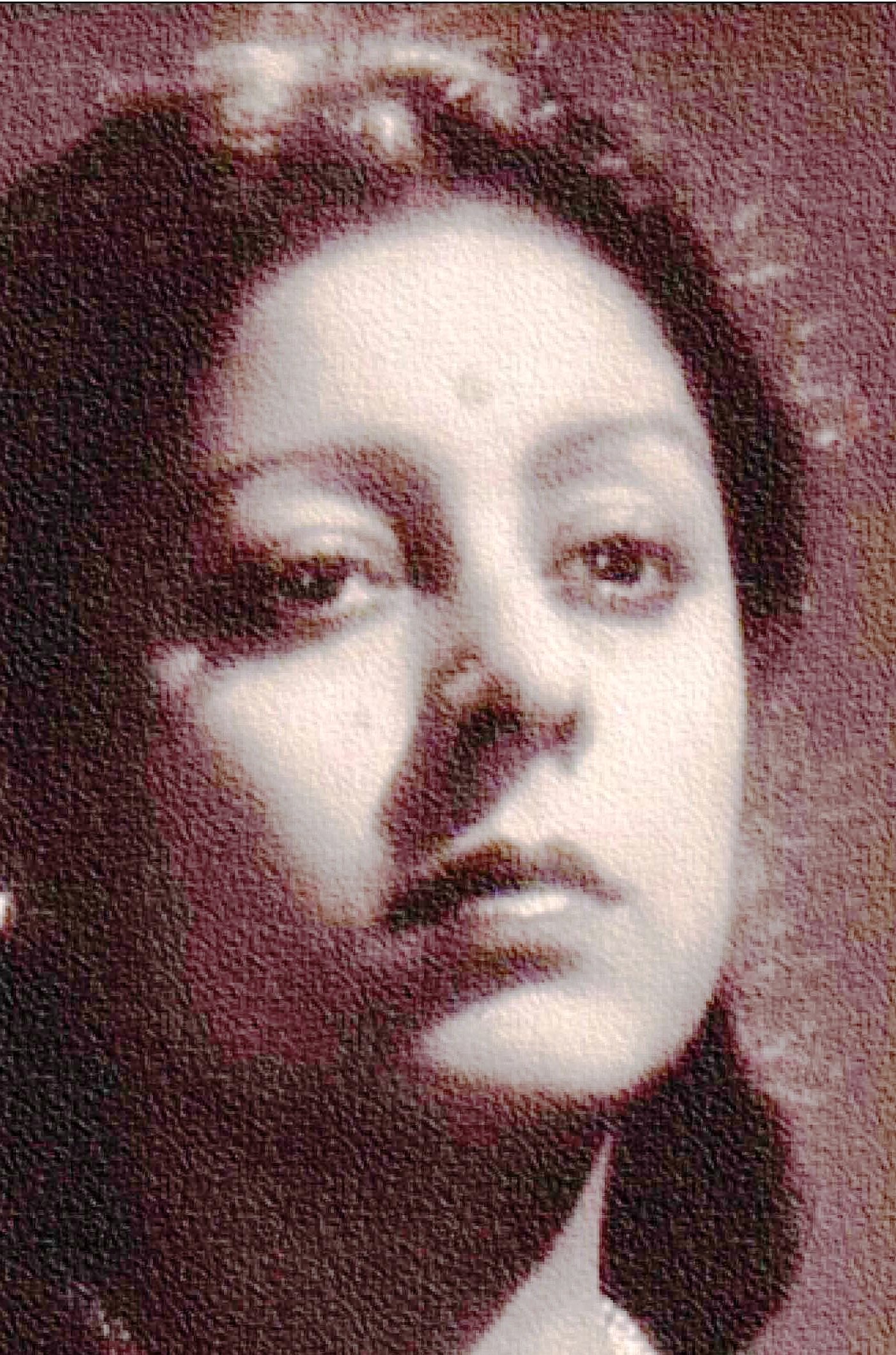
New Theatres’ singing star Kanan Devi
His contact with filmmaking as a business came through a very close friend named Haren Ghosh who was at the time making a film called Booker Bojha. This film was being cinematographed by the famous Nitin Bose who was also into direction but later migrated to Bombay. One day, Sircar happened to see a photograph of P N Roy, a person he knew well, along with Himanshu Roy, the founder of Bombay Talkies in a cinema magazine called ‘Bioscope’. P N Roy encouraged him to open a studio. So, along with P N Roy, B N Sircar founded International Filmcraft. They made two silent films under the banner of International Filmcraft, both cinematographed by Nitin Bose. The first of these, directed by Charu Roy, was called Chor Kaanta and the second film, Chashar Meye was directed by Prafulla Roy.
Once talking films came into being, Sircar took it upon himself to build the New Theatres Studio with the best equipment available at the time. The sound equipment was imported from Rinco & Co of America and a renowned engineer from the firm was brought from the USA to New Theatres under whose professional guidance famous sound engineers like Mukul Bose, Bani Dutt and Lokin Bose were trained and groomed.
Towards the latter half of 1931, New Theatres’ first talkie Dena Paona was produced and shot in its own studios. Those who shared in the trials and tribulations of Sircar during the making of Dena Paona were Premankur Atorthy, Nitin Bose, Amar Mullick and I A Hafezji. Dena Paona was directed by Atorthy and cinematographed by Nitin Bose. Amar Mullick and I A Hafezji shouldered the responsibilities of production and management, respectively.
New Theatres complex had a lovely garden filled with mango trees, flowers and a “Gol Ghar” in the centre. “Sir would sit in this Gol Ghar from around five in the evening till nine in the night. He would call directors, music directors, writers, singers and technicians into this room for long chatting sessions with tea and biscuits. At seven sharp, he would take a glass of coconut water. The cigarette at the end of a black holder would always remain aglow,” said late film director Arabinda Mukherjee who worked as an assistant director at New Theatres from 1947 to 1958. When the film Natir Puja was being shot at the New Theatres Studio during the month of April, B N Sircar heard from Amar Mullick that Gurudev Rabindranath Tagore couldn’t bear the heat inside the floor and frequently took rest under a mango tree outside. As soon as Sircar heard this, he instructed his people to construct a round house with hay on the shed, which came to be known as the Gol Ghar. Rabindranath was extremely pleased to see it and exclaimed, “E je amar dwitiyo Shantiniketan!”
The Gol Ghar has played host to some of the greatest figures in Indian history. Netaji Subhash Chandra Bose, Pandit Jawaharlal Nehru, Sarvapalli Radhakrishnan, Rabindranath Tagore, Sarat Chandra Chattopadhyay, Shyama Prasad Mukherjee are just a few names whose footprints have graced the earth that houses New Theatres. From international cinema, personalities like Frank Capra, Jean Renoir and Vsevolod Pudovkin graced the studio with their presence.
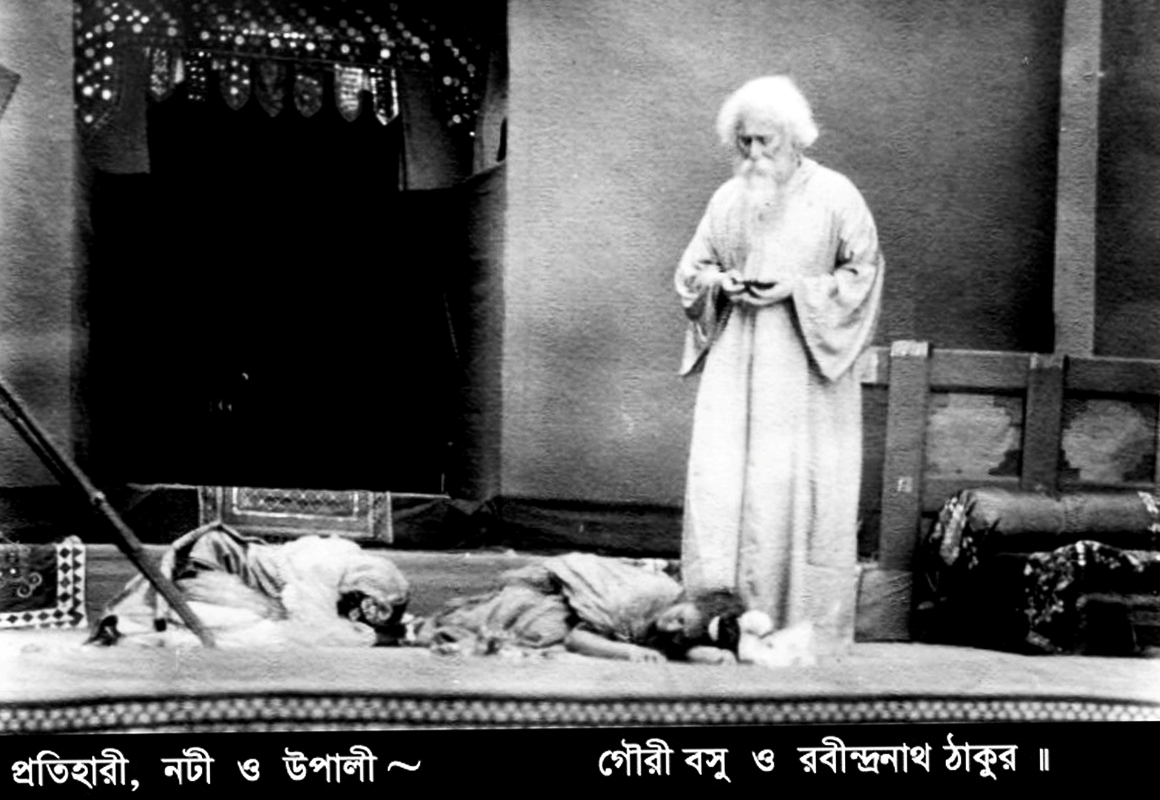
Natir Puja with Rabindranath Tagore
Sircar did not want to be a performer or a director. His pleasure was to give a good director the budget he needed and let him go ahead without interference. He gathered around him the best talents of his time, representing the manifold aspects of filmmaking – direction, music, acting, photography, sound recording, etc. Watching the credit titles of a New Theatres film, one is struck by the names. Directors like Pramathesh Barua, Debaki Bose, Nitin Bose, Madhu Bose, Hemchandra Chunder, Phani Majumdar, Kartick Chatterjee and Bimal Roy, all of whom went on to become nationally recognised talents in their own respective fields.
Music, always a strong point with New Theatres, reached a high degree of excellence because of the aesthetic blend of composers, singers and lyricists. Along with composers like R C Boral, Pankaj Mullick and Timir Baran, there were singing stars like Kanan Devi, K L Saigal, Pahari Sanyal and Asit Baran. New Theatres also claims the credit for introducing the technology of playback songs in cinema through Bhagya Chakra in 1935. The New Theatres logo came to be regarded as the hallmark of quality, and the elephant is fondly remembered even today.

New Theatres logo
New Theatres had created a very interesting logo. It comprised the head of an elephant trapped within a circle with the words “Jivatang Jyotiretu Chhaya,” drawn from the Upanishads. Translated into English, the words mean, “light infusing shadows with life.” There was no room for vulgarity or crudity in the films though thematically, many of them were quite bold in terms of content.
The unique selling point of a New Theatres production was (a) a solid storyline, (b) lilting songs and background music, (c) sound technique, and (d) good acting. Sircar never interfered with the making of any film. Afterwards, he would watch it at a morning screening at New Cinema in Calcutta. Among the 150 films under the New Theatres banner made in several languages over a span of 24 years (1931-1955), it would be difficult to sift the wheat from the chaff and say – these are the best. From Doctor (1940) to Pratisruti (1941) to Udayer Pathey (1944) to Anjan Garh (1948), from Puran Bhakt (Hindi – 1933) to Vidyapati (Hindi-1938) to Devdas (Bengali – 1935) to Mukti (1937), every New Theatres film defines a distinct identity for itself, remembered for different reasons.
Eastern Filmcraft of Sir B N Sircar changed itself into New Theatres Ltd. in 1931. New Theatres is a production banner that, with its two studios, changed the history of Bengali and Hindi cinema in the country forever. Sircar, a foreign-trained engineer, drawn to filmmaking by sheer accident, produced 150 films under his production banner in Hindi, Bengali and even Tamil, making path-breaking films like Devdas and introducing the audience to some of the greatest talents of Indian cinema.
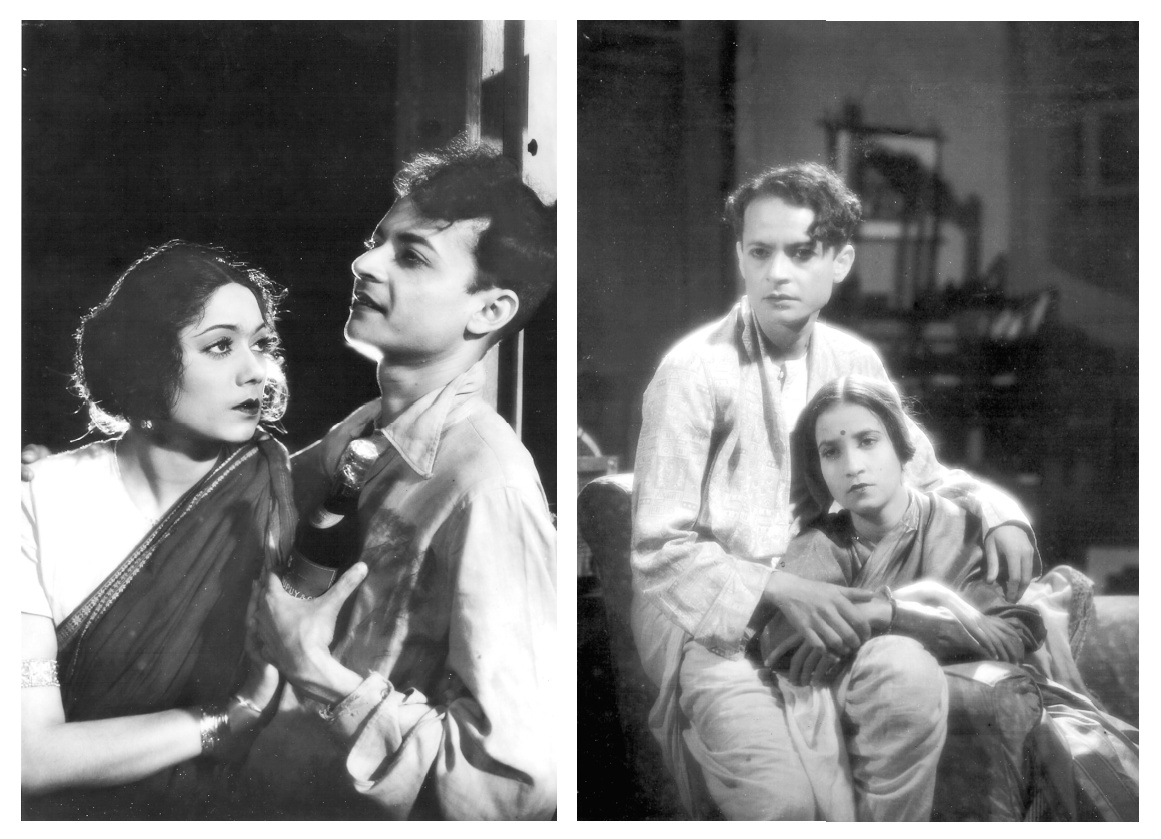
New Theatres’ Devdas (Bengali) starring Pramathesh Barua, Chandrabati and Jamna
Noted actress Bharati Devi said, “I made my debut as an actress in a New Theatres in the mid-Forties. Beginning with the princely salary of Rs.100 per month, I stayed with New Theatres for ten years, drawing Rs. 5000 a month in the tenth year. Not once did we have to ask for a raise. Mr. Sircar looked after us as if we were his children. He spoke little and hardly came on the sets. We were in awe of him, yet we knew he was one of the most generous souls who graced the earth.” She added that he gave her an advance of Rs.10,000 when she expressed her desire to build a house “and he asked no questions at all, including how I was to repay the loan and so on. Where would you meet a man of his stature?”
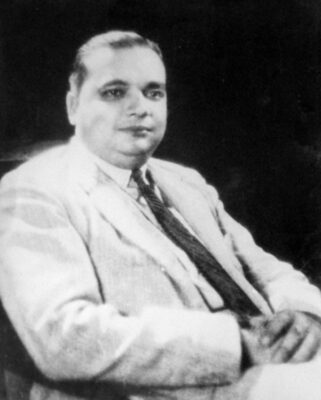
B N Sircar
A soft-spoken man, B N Sircar was known to quietly and carefully study a problem and then decide how to proceed. At New Theatres, he saw to it that every individual, be an actor or director, could work with a free mind without any interference whatsoever.
New Theatres films were mostly based on classic Bengali literary works such as the works of Bankim Chandra Chattopadhyay, Rabindranath Tagore and Sarat Chandra Chattopadhyay. Popular novelists were also commissioned to write stories for New Theatres films. Sailajananda Mukhopadhyay, a noted writer, wrote stories of films like Desher Mati (1938), Jiban Maran (1939) and Daktar (1940). Benoy Chatterjee who wrote exclusively for films, wrote Pratisruti (1941), Parichay (1941) and Wapas (1943.) The primary aim of this company was a delicate blend of social and humanitarian concern.
Animator-filmmaker-critic Jayanti Sen informs us that New Theatres made India’s first animation film called The Pea Brothers. Directed by Gunomoy Banerjee, it was released at Chitra Talkies on June 23, 1936. Though ‘Filmland’, a noted film journal of the time, heaped praises on the film, it turned out to be a commercial flop. A sad Gunomoy Banerjee went back to making films with real people. New Theatres did go on to produce another animation film in 1951 called Michke Potash. Bhaktaram Mitra directed the film.

The advertisement announcing the box-office success of Devdas (Hindi, 1935) starring KL Saigal and Jamna
The Partition of India in 1947 took away a large part of the market in what is now Bangladesh and Pakistan almost overnight. Added to this were the communal riots between 1946 and 1947 that affected revenues in a big way and the elephant was forced into silence after the last production Bakul in 1955. It waved out its trunk again with its feature film Ami Aadu based on Swapnamoy Chakraborty’s story ‘Aadur Prem’ — a love story between a Hindu girl and a Muslim boy. Ami Aadu was probably the last production to come out of the New Theatres banner. It was a critically acclaimed film, which won the National Award in 2011 and was awarded “Best Film” at the SAARC convention in Colombo.
Sircar won the Dadasaheb Phalke Award soon after it was instituted. He also won the Padma Bhushan for his rich contribution to Indian cinema. When one watches a New Theatres film today, one is struck by the quality of timelessness it has, in terms of story, treatment, acting, etc. because nothing, except the quality of the film print and its soundtrack, appear to be dated.
(This article is based on different articles written by the author on B N Sircar. It forms a chapter in Legends of Indian Silver Screen: Dadasaheb Phalke Awardees (1969-1991), published by the Publication Division in 2025)
More Must Read in Silhouette
Kanan Devi: ‘The First Singing Star’
Pankaj Mullick: The Doyen of Film and Non-Film Music
Phani Majumdar: A Journey Through Life…
‘KL Saigal’s Songs Started the Sugam Sangeet Revolution’ – In Conversation with Author Pran Nevile
Bengal’s Music and Its Influence in Hindi Film Music

Whether you are new or veteran, you are important. Please contribute with your articles on cinema, we are looking forward for an association. Send your writings to amitava@silhouette-magazine.com

Silhouette Magazine publishes articles, reviews, critiques and interviews and other cinema-related works, artworks, photographs and other publishable material contributed by writers and critics as a friendly gesture. The opinions shared by the writers and critics are their personal opinion and does not reflect the opinion of Silhouette Magazine. Images on Silhouette Magazine are posted for the sole purpose of academic interest and to illuminate the text. The images and screen shots are the copyright of their original owners. Silhouette Magazine strives to provide attribution wherever possible. Images used in the posts have been procured from the contributors themselves, public forums, social networking sites, publicity releases, YouTube, Pixabay and Creative Commons. Please inform us if any of the images used here are copyrighted, we will pull those images down.